Agricultural Units Based In Shropshire
Agricultural Units Experts
Whitchurch-based architectural designers delivering new build, residential, extension projects and more. Strong understanding of planning applications, backed by over 25 years’ experience across Shropshire, Cheshire and beyond.
ARH Architectural Design
What Are Agricultural Units Services & How Do They Work?
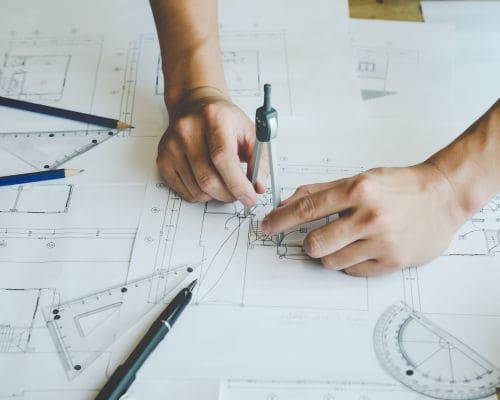
Agricultural unit design focuses on creating buildings that support working farms while meeting planning and construction requirements. The main issue is that farm buildings are often planned around immediate need rather than long-term use, access, and compliance.
A common example is a new livestock building positioned for convenience, but without proper access for machinery or waste management. This leads to planning objections or operational difficulties once built. Another is underestimating scale, resulting in a structure that quickly becomes restrictive.
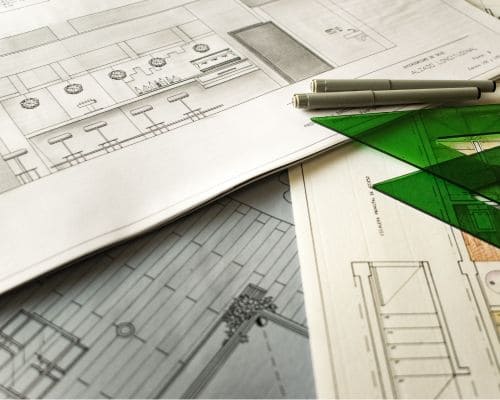
At ARH Architectural Design, agricultural units are designed with full consideration of how the site operates day-to-day. That includes vehicle movement, storage, drainage, and how different parts of the farm connect. With over 25 years of experience across planning and technical design, including rural and agricultural settings, the work reflects both regulatory requirements and practical use. The result is a building that fits the operation and progresses through approval without repeated changes.
ARH Architectural Design
When Do You Need Agricultural Units Services?
Agricultural projects often begin with a clear need—more storage, better livestock facilities, or space for machinery. The difficulty arises when that need is addressed quickly without fully considering planning rules, layout, or future expansion.
A typical situation involves erecting or planning a building based on immediate space requirements, only to face issues with siting, access, or visual impact during the planning stage. Another is starting groundwork before resolving drainage or levels, which leads to complications during construction.
Problems tend to increase when designs are informal or based on assumptions rather than coordinated drawings. What works in theory often doesn’t hold up under planning review or day-to-day farm use.
These are clear indicators that proper design input is needed:
Farm vehicles struggle to access or turn around building areas
Planning feedback highlights siting, scale, or visual impact concerns
Drainage or runoff issues appear after initial groundwork begins
Storage or livestock space becomes inadequate shortly after use
ARH Architectural Design
What Happens During Agricultural Units Services & What To Expect?
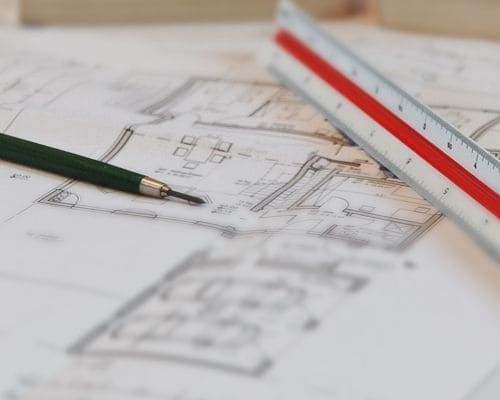
The process starts with a detailed review of the farm layout and how the land is used. This includes access routes, levels, existing buildings, and how machinery and livestock move across the site. From there, building positions and layouts are developed to support efficient operation. This covers access widths, turning areas, internal space requirements, and how the building integrates with existing structures. Practical considerations such as drainage, waste management, and ventilation are built into the design early.
Once a layout is agreed, planning drawings are prepared where required, addressing siting, scale, and impact on the surrounding area. Any feedback is incorporated directly, keeping the project moving without redesigning from scratch. Following approval, technical drawings are produced to define construction details. This ensures the building can be constructed efficiently, with clear guidance for contractors.
During construction, progress is more predictable. Access works as planned, structures are positioned correctly, and operational flow is maintained across the site. The completed building supports daily use without restriction, aligning with both regulatory requirements and practical farming needs. Each stage is handled with clear, usable information, allowing the project to move forward with confidence and control.
TESTIMONIALS
What Our Agricultural Units Customers Say About Us
The Process
3 Step Process For Your Agricultural Units Needs

Initial Consultation
Begin by completing our enquiry form to outline your project. During the initial consultation, we focus on Agricultural Units, assessing feasibility, planning constraints and practical considerations before advising on next steps.

Design & Planning
We develop your concept design and prepare drawings for planning and building regulations approval, with particular attention to Agricultural Units. We coordinate with local authorities and consultants to ensure a clear, compliant submission.

Technical Delivery
Once approved, we produce detailed technical drawings and coordinate with our structural engineer partners and contractors to ensure your project progresses efficiently from paper to construction.
Request A Agricultural Units Consultation
BOOK A CONSULTATION

206 Liverpool Rd, Whitchurch SY13 1UT
BUSINESS
SERVICES
SERVICE AREAS
OPERATING HOURS
Sun: Closed
Mon: 9:00am - 5:00pm
Tue: 9:00am - 5:00pm
Wed: 9:00am - 5:00pm
Thu: 9:00am - 5:00pm
Fri: 9:00am - 4:00pm
Sat: Closed