Internal Alterations Based In Shropshire
Internal Alterations Experts
Whitchurch-based architectural designers delivering new build, residential, extension projects and more. Strong understanding of planning applications, backed by over 25 years’ experience across Shropshire, Cheshire and beyond.
ARH Architectural Design
What Are Internal Alterations & How Do They Work?
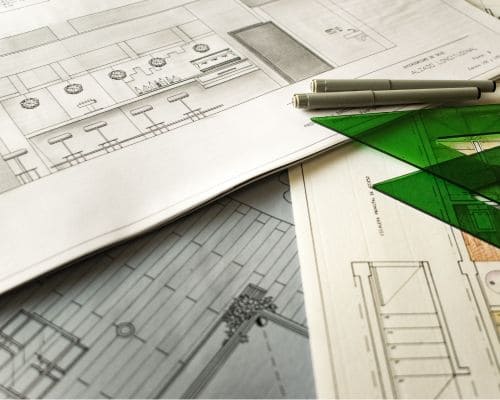
Internal alterations focus on changing how your existing space works without extending the footprint of the building. The issue is rarely a lack of square footage—it’s poor layout, structural limitations, or rooms that don’t connect in a practical way.
A common example is knocking through a kitchen and dining room to create open-plan living. On the surface, it looks straightforward. In reality, that wall often supports floors or roof loads above, and removing it without proper design leads to structural problems or costly corrections during the build.
At ARH Architectural Design, internal alterations are designed with a clear understanding of how the building is put together. That includes identifying load-bearing walls, planning structural supports such as steel beams, and ensuring the new layout functions day-to-day. With over 25 years working across structural coordination and building regulations, the designs reflect how changes are actually carried out on site. The outcome is a layout that works structurally and practically, without relying on guesswork during construction.
ARH Architectural Design
When Do You Need Internal Alterations Services?
Most internal alteration projects begin with a simple goal—create more open space, improve flow, or make better use of existing rooms. The difficulty arises when those ideas are acted on without a clear plan of how the building will respond.
A typical situation involves starting work based on a builder’s initial advice, only to discover mid-project that additional structural support is required. This leads to delays, unexpected costs, and disruption to the layout that was originally planned.
Another common issue is redesigning room layouts without considering how people move through the space. What looks workable on paper can result in awkward transitions, blocked light, or unusable areas once built.
These situations tend to point to the need for proper internal design input:
Walls removed without clear plan for supporting structure above
New layout creates narrow walkways between key living areas
Builder pauses work due to missing structural or design details
Natural light reduced after internal walls reconfigured or repositioned
ARH Architectural Design
What Happens During Internal Alterations Services & What To Expect?
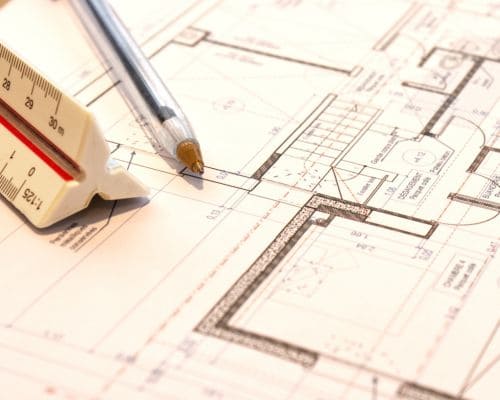
The process starts with a detailed assessment of the existing building. This includes identifying structural walls, floor directions, and how loads are currently supported. Measurements are taken to ensure any new layout fits precisely within the existing structure.
From there, layout options are developed based on how you want the space to function. This goes beyond simply removing walls—room proportions, circulation routes, and light flow are all considered in the design. Structural solutions are integrated at this stage, so there are no surprises later.
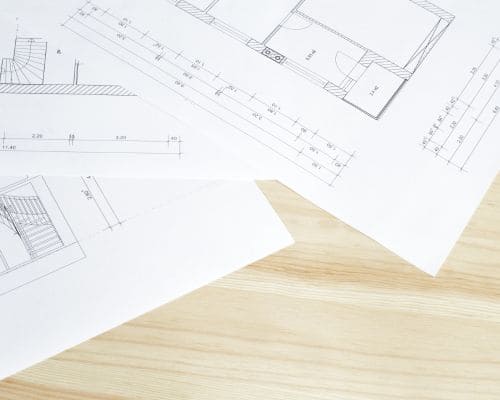
Once a layout is agreed, drawings are prepared for Building Regulations approval. These include structural requirements such as beam sizes and support points, allowing engineers and builders to work from the same information.
During construction, the benefit is clear. Builders have defined instructions, structural elements are installed in the right sequence, and the layout takes shape as planned without last-minute decisions.
The finished result is a space that connects properly, with consistent floor levels, clear movement between areas, and structural work that sits cleanly within the design. Each stage is handled with clear, coordinated information, so the project progresses without disruption and the end result functions as intended.
TESTIMONIALS
What Our Internal Alterations Customers Say About Us
The Process
3 Step Process For Your Internal Alterations Needs

Initial Consultation
Begin by completing our enquiry form to outline your project. During the initial consultation, we focus on Internal Alterations, assessing feasibility, planning constraints and practical considerations before advising on next steps.

Design & Planning
We develop your concept design and prepare drawings for planning and building regulations approval, with particular attention to Internal Alterations. We coordinate with local authorities and consultants to ensure a clear, compliant submission.

Technical Delivery
Once approved, we produce detailed technical drawings and coordinate with our structural engineer partners and contractors to ensure your project progresses efficiently from paper to construction.
Request A Internal Alterations Consultation
BOOK A CONSULTATION

206 Liverpool Rd, Whitchurch SY13 1UT
BUSINESS
SERVICES
SERVICE AREAS
OPERATING HOURS
Sun: Closed
Mon: 9:00am - 5:00pm
Tue: 9:00am - 5:00pm
Wed: 9:00am - 5:00pm
Thu: 9:00am - 5:00pm
Fri: 9:00am - 4:00pm
Sat: Closed