Building Regulations Based In Shropshire
Building Regulations Experts
Whitchurch-based architectural designers delivering new build, residential, extension projects and more. Strong understanding of planning applications, backed by over 25 years’ experience across Shropshire, Cheshire and beyond.
ARH Architectural Design
What Are Building Regulations?
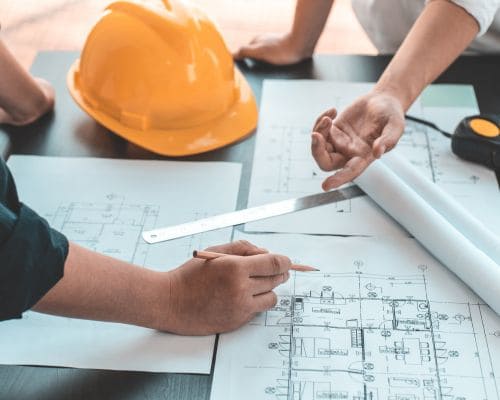
Building Regulations drawings deal with how a project is actually constructed so it meets legal standards and passes inspection. The problem most people face is assuming planning approval is enough, only to find their project cannot proceed without detailed technical information.
A typical example is an extension that has planning approval but no defined structural details. When work starts, the builder asks for beam sizes, insulation specifications, and drainage layouts. Without this, construction pauses while new drawings are produced, often at additional cost.
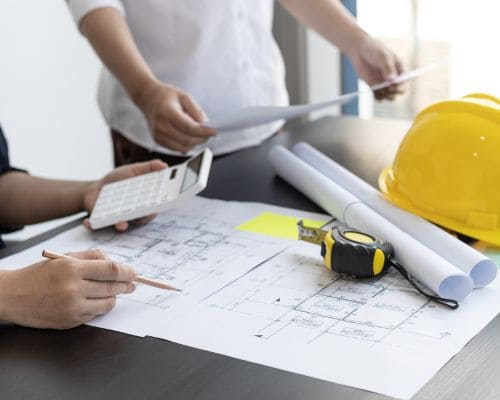
At ARH Architectural Design, Building Regulations work focuses on resolving these details before construction begins. That includes structure, thermal performance, ventilation, and compliance with current standards. With over 25 years of experience across technical design and construction coordination, the drawings reflect what building control officers expect to see and what builders need on site. The result is a set of information that allows the project to move forward without interruption.
ARH Architectural Design
When Are Building Regulations Necessary?
Many projects reach a standstill after planning approval because the next step isn’t clearly understood. Basic drawings are often passed to a builder with the expectation that construction can begin, but key technical details are missing.
A common situation involves starting work with limited information, only for building control to request further details mid-project. This leads to delays, rework, and additional costs as elements already built need to be adjusted.
Another scenario is using outdated or incomplete drawings that don’t meet current standards. What seemed acceptable at the design stage is flagged during inspection, requiring changes that affect both time and budget.
These situations usually indicate the need for proper Building Regulations drawings:
Builder pauses work waiting for structural beam calculations and details
Building control requests additional insulation or ventilation specifications
Drainage layout unclear, causing delays during groundworks stage
Construction altered on site due to missing or unclear drawings
ARH Architectural Design
What Is Required For Building Regulations?
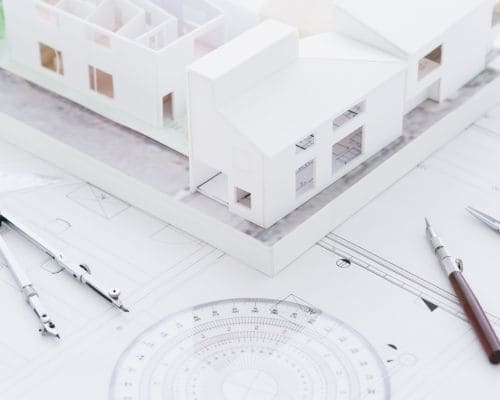
The process begins with a detailed review of the approved design and how it will be constructed. Each element is assessed—walls, floors, roof structure, insulation, drainage, and ventilation—to ensure compliance with current regulations.
From there, technical drawings are developed to define every part of the build. This includes structural layouts, construction sections, and specification notes that builders can follow directly. Coordination with structural engineers ensures that load-bearing elements such as beams and foundations are fully resolved before work begins.
These drawings are then submitted for Building Regulations approval. Any queries raised are addressed with clear, specific information rather than broad revisions, keeping the process moving. Once approved, the builder works from a complete set of instructions. This reduces uncertainty during construction and allows inspections to proceed without repeated issues or failed checks.
On site, the difference is practical—materials are installed as specified, structural elements fit correctly, and inspections are passed without repeated call-backs. The project progresses in a controlled sequence rather than reacting to missing details. Each stage is defined before construction begins, so the build moves forward with clear direction and fewer interruptions.
TESTIMONIALS
What Our Building Regulations Customers Say About Us
The Process
3 Step Process For Your Building Regulations Needs

Initial Consultation
Begin by completing our enquiry form to outline your project. During the initial consultation, we focus on Building Regulations, assessing feasibility, planning constraints and practical considerations before advising on next steps.

Design & Planning
We develop your concept design and prepare drawings for planning and building regulations approval, with particular attention to Building Regulations. We coordinate with local authorities and consultants to ensure a clear, compliant submission.

Technical Delivery
Once approved, we produce detailed technical drawings and coordinate with our structural engineer partners and contractors to ensure your project progresses efficiently from paper to construction.
Request A Building Regulations Consultation
BOOK A CONSULTATION

206 Liverpool Rd, Whitchurch SY13 1UT
BUSINESS
SERVICES
SERVICE AREAS
OPERATING HOURS
Sun: Closed
Mon: 9:00am - 5:00pm
Tue: 9:00am - 5:00pm
Wed: 9:00am - 5:00pm
Thu: 9:00am - 5:00pm
Fri: 9:00am - 4:00pm
Sat: Closed