Technical Drawing Based In Shropshire
Technical Drawing Experts
Whitchurch-based architectural designers delivering new build, residential, extension projects and more. Strong understanding of planning applications, backed by over 25 years’ experience across Shropshire, Cheshire and beyond.
ARH Architectural Design
What Is Technical Drawing & What Does It Solve?

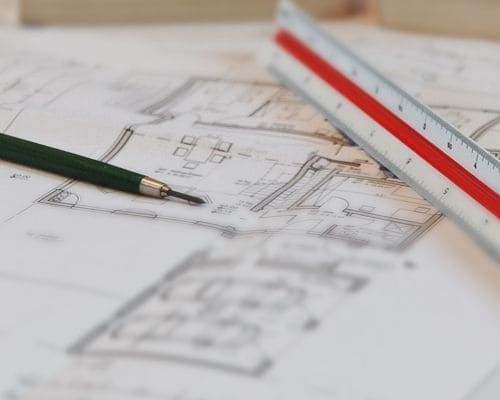
Technical drawing turns a design into precise, buildable instructions that a contractor can follow without stopping to ask questions. The problem most projects face is a gap between concept drawings and what’s actually needed on site.
Planning drawings show what a building looks like. They don’t show how walls are constructed, how roofs connect, or where structural supports sit. Without that detail, builders are forced to interpret the design themselves, which leads to inconsistencies, delays, and additional costs.
A typical example is a new build or extension where the layout is approved, but the builder has no clear wall build-up, insulation specification, or junction detail. Work slows down while decisions are made on site, often resulting in rework.
At ARH Architectural Design, technical drawings are produced with construction in mind from the outset. Every element is defined clearly—dimensions, materials, structural positions, and how different parts of the building connect. With over 25 years of experience coordinating between design, engineering, and construction teams, the drawings reflect how buildings are actually assembled, not just how they appear. The result is a set of documents that removes uncertainty during construction.

ARH Architectural Design
When Do You Need Technical Drawing Services?
Technical drawing becomes essential when a project moves beyond ideas and approvals into actual construction. Many issues arise when this step is rushed or overlooked.
A common situation is handing over basic plans to a builder with the expectation that they can “fill in the gaps.” This often leads to multiple questions, inconsistent decisions, and work being paused while details are clarified.
Another scenario involves using incomplete drawing sets that don’t cover structural or construction details. Builders then rely on assumptions, which can conflict with building regulations or result in mismatched elements on site. Costs tend to increase when these gaps appear during construction rather than being resolved beforehand.
These situations usually highlight the need for proper technical drawings:
Builder repeatedly asks for missing dimensions or construction details
Different trades working from conflicting or unclear information
Structural elements installed incorrectly due to lack of detail
Work paused on site waiting for clarification of design intent
ARH Architectural Design
What Happens During Technical Drawing Services & What To Expect?
The process starts by reviewing the approved design and identifying every element that requires definition for construction. This includes wall types, floor structures, roof connections, openings, and service routes.
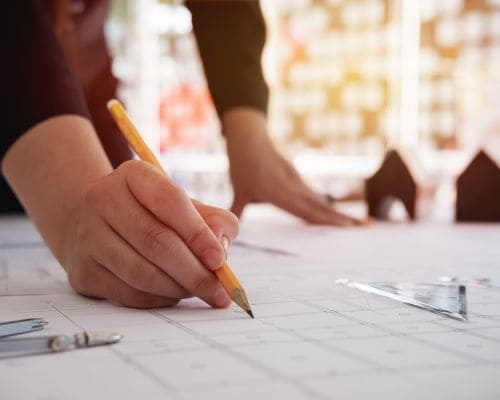
Detailed drawings are then produced to show exactly how each part of the building is formed. Sections, elevations, and junction details are developed so builders can see how components meet and in what order they are constructed. Dimensions are fixed, materials are specified, and tolerances are clearly set out.
Coordination with structural engineers ensures that load-bearing elements such as beams, columns, and foundations are integrated into the drawings correctly. This avoids conflicts between design intent and structural requirements.
The completed drawing set provides a consistent reference for all trades on site. Builders work from the same information, reducing variation and preventing misinterpretation.
During construction, progress becomes more predictable. Fewer questions arise, decisions are made in advance, and each stage follows the defined plan. The finished structure aligns with the original design because the details were resolved before work began. The project moves forward with clear instructions in place, allowing construction to proceed without unnecessary interruption.
TESTIMONIALS
What Our Technical Drawing Customers Say About Us
The Process
3 Step Process For Your Technical Drawing Needs

Initial Consultation
Begin by completing our enquiry form to outline your project. During the initial consultation, we focus on Technical Drawing, assessing feasibility, planning constraints and practical considerations before advising on next steps.

Design & Planning
We develop your concept design and prepare drawings for planning and building regulations approval, with particular attention to Technical Drawing. We coordinate with local authorities and consultants to ensure a clear, compliant submission.

Technical Delivery
Once approved, we produce detailed technical drawings and coordinate with our structural engineer partners and contractors to ensure your project progresses efficiently from paper to construction.
Request A Technical Drawing Consultation
BOOK A CONSULTATION

206 Liverpool Rd, Whitchurch SY13 1UT
BUSINESS
SERVICES
SERVICE AREAS
OPERATING HOURS
Sun: Closed
Mon: 9:00am - 5:00pm
Tue: 9:00am - 5:00pm
Wed: 9:00am - 5:00pm
Thu: 9:00am - 5:00pm
Fri: 9:00am - 4:00pm
Sat: Closed