Barn Conversions Based In Shropshire
Barn Conversions Experts
Whitchurch-based architectural designers delivering new build, residential, extension projects and more. Strong understanding of planning applications, backed by over 25 years’ experience across Shropshire, Cheshire and beyond.
ARH Architectural Design
What Are Barn Conversions & How Do They Work?
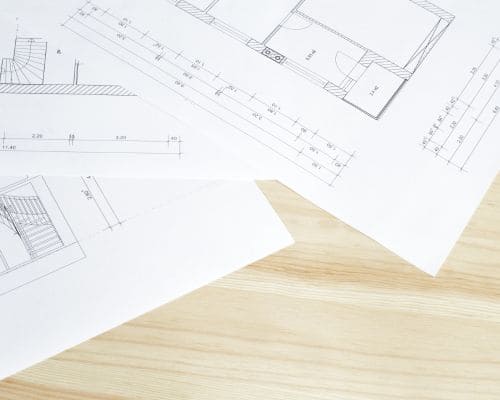
Barn conversion design turns agricultural or disused rural buildings into functional living spaces while working within strict planning and structural constraints. The main challenge is not the space itself, but how much of the original structure must be retained and how new residential use is integrated without triggering refusal.
A common example is a stone or steel-framed barn with strong external character but limited internal structure for residential layouts. Early designs often attempt to insert standard room layouts, only to discover issues with light, insulation requirements, or planning objections around excessive alteration.
At ARH Architectural Design, barn conversions are approached with a clear focus on retaining the character of the structure while making it suitable for long-term living. That includes working with existing openings, structural spans, and materials rather than forcing a conventional house layout into a non-domestic form. With over 25 years of experience across planning, conservation, and rural development, the work reflects how these buildings are assessed and approved in practice. The result is a conversion that meets planning requirements and functions properly as a home.
ARH Architectural Design
When Do You Need Barn Conversions Services?
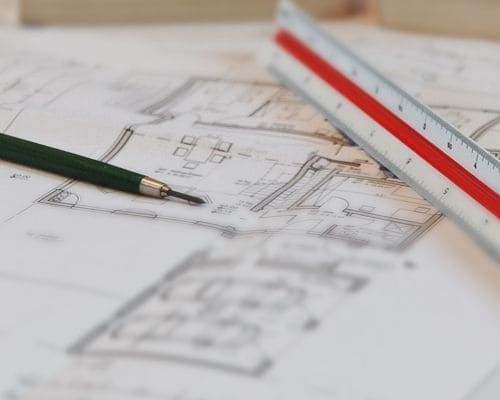
Barn conversion projects often begin with strong potential but unclear constraints. The building looks suitable for conversion, yet planning policy, structural limitations, and access requirements quickly shape what is realistically achievable.
A typical situation involves submitting early layout ideas that over-intensify the building or remove too much of its original character. Planning feedback then highlights concerns about overdevelopment, loss of agricultural identity, or unsuitable residential adaptation.
Another scenario involves starting design work without fully assessing structural stability or insulation feasibility. This leads to redesign once engineers or planning officers identify issues that affect the entire scheme.
Costs and delays increase when assumptions are made before technical constraints are understood. These situations usually indicate the need for proper barn conversion design input:
Proposed layouts conflict with original barn structure and spans
Planning officer objects to loss of agricultural character
Internal layout fails to work with existing openings or levels
Structural reports identify major reinforcement requirements late
ARH Architectural Design
What Happens During Barn Conversions & What To Expect?
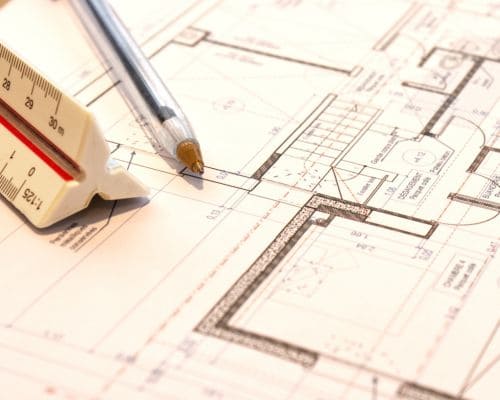
The process begins with a detailed assessment of the existing barn structure. This includes materials, span conditions, foundation type, and any features that define its agricultural character. Access, surrounding land, and planning history are also reviewed.
Design proposals are then developed around the existing structure rather than against it. This includes positioning rooms within the natural rhythm of the building, using existing openings where possible, and introducing new elements in a controlled way that respects scale and proportion.
Once a direction is agreed, planning drawings are prepared with clear justification for the level of change proposed. This addresses key planning concerns such as character retention, visual impact, and residential integration. Feedback is handled directly with focused revisions.
After planning approval, technical drawings are produced for construction. These include structural modifications, insulation strategies for solid walls, roof alterations, and integration of modern services into an older fabric.
During construction, the building is adapted in stages that reflect its original structure. Existing materials are retained where appropriate, and new elements are integrated in a controlled sequence to maintain stability. The finished conversion delivers a functional home within the framework of the original barn, with planning compliance and buildability aligned from the start of the process.
TESTIMONIALS
What Our Barn Conversions Customers Say About Us
The Process
3 Step Process For Your Barn Conversions Needs

Contact Us
Begin by completing our enquiry form to outline your project. During the initial consultation, we focus on Barn Conversions, assessing feasibility, planning constraints and practical considerations before advising on next steps.

Schedule Your Estimate
We develop your concept design and prepare drawings for planning and building regulations approval, with particular attention to Barn Conversions. We coordinate with local authorities and consultants to ensure a clear, compliant submission.

Get The Job Done
Once approved, we produce detailed technical drawings and coordinate with our structural engineer partners and contractors to ensure your project progresses efficiently from paper to construction.
Request A Free Barn Conversions Quote
BOOK A CONSULTATION

206 Liverpool Rd, Whitchurch SY13 1UT
BUSINESS
SERVICES
SERVICE AREAS
OPERATING HOURS
Sun: Closed
Mon: 9:00am - 5:00pm
Tue: 9:00am - 5:00pm
Wed: 9:00am - 5:00pm
Thu: 9:00am - 5:00pm
Fri: 9:00am - 4:00pm
Sat: Closed