Historic & Listed Buildings Based In Shropshire
Historic & Listed Buildings Experts
Whitchurch-based architectural designers delivering new build, residential, extension projects and more. Strong understanding of planning applications, backed by over 25 years’ experience across Shropshire, Cheshire and beyond.
ARH Architectural Design
What Are Historic & Listed Buildings Services & How Do They Work?
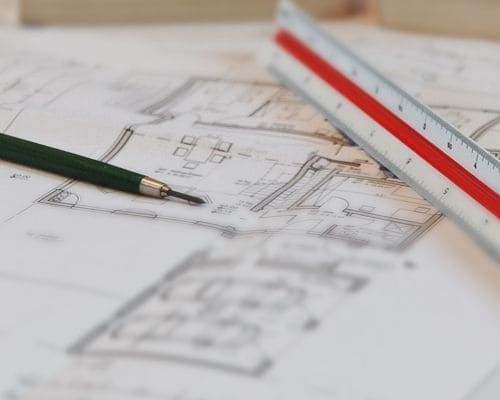
Designing for historic and listed buildings deals with making changes to a property while meeting strict conservation and planning requirements. The main issue is balancing modern use with protection of original features, without triggering refusal or enforcement action.
A typical example is a homeowner wanting to extend or reconfigure a listed property to improve living space. Initial ideas often conflict with conservation requirements—removing original walls, altering windows, or adding extensions that don’t respect the building’s character. This leads to refused listed building consent or requests for major redesign.
At ARH Architectural Design, projects involving historic properties are handled with a clear understanding of conservation principles and planning expectations. That includes identifying which elements must be preserved, what can be altered, and how new work should relate to the existing structure. With over 25 years of experience working across planning and conservation-led projects, designs are developed to satisfy both regulatory requirements and practical use. The result is a proposal that respects the building while allowing it to function effectively.
ARH Architectural Design
When Are Historic & Listed Buildings Services Necessary?
Issues with historic properties usually arise when changes are planned without fully understanding the level of restriction involved. Many owners assume standard planning rules apply, only to find that listed status introduces additional layers of approval and scrutiny.
A common situation is carrying out or planning alterations based on general building advice, only to be informed that listed building consent is required. In some cases, work has already started, leading to enforcement concerns and the need to reverse changes.
Another scenario involves submitting an application that doesn’t justify the impact on the building’s character. This results in refusal, with feedback requiring detailed revisions or specialist input. Delays and costs increase when these issues are addressed late rather than built into the design from the beginning.
These situations typically indicate the need for specialist design input:
Planning or consent refused due to impact on historic features
Proposed changes conflict with conservation officer requirements
Original elements removed or altered without proper approval
Extensions or alterations appear out of scale with existing structure
ARH Architectural Design
What Is Required For Historic & Listed Buildings Services?
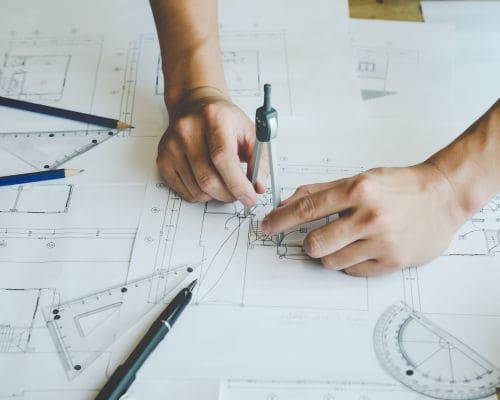
The process begins with a detailed assessment of the building, including its age, construction, and features that contribute to its listed status. This identifies which elements must be retained and where change is possible. Design proposals are then developed to work within these constraints. This includes adapting layouts to retain key features, selecting appropriate materials, and ensuring any new additions relate correctly to the original structure. Each decision is supported by clear reasoning to address conservation requirements.
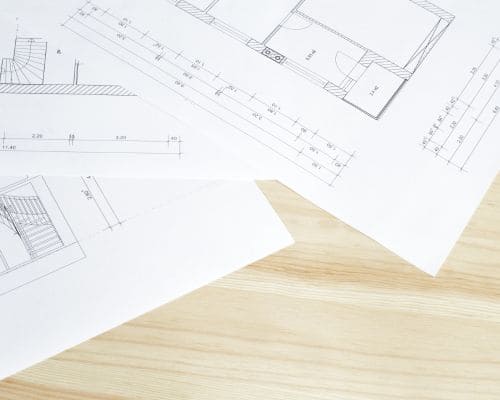
Applications for planning and listed building consent are prepared with detailed drawings and supporting information. This includes justification for proposed changes, which is essential for approval. Feedback from conservation officers is addressed directly, with focused revisions rather than broad redesign. Once approved, technical drawings are produced to guide construction. These account for the specific challenges of older buildings, such as irregular structures or traditional materials, ensuring builders can carry out the work accurately.
During construction, the work proceeds with a clear understanding of what must be protected and how alterations are implemented. Original features are retained where required, and new work integrates without conflict. The completed project allows the building to function for modern use while remaining compliant with conservation requirements, with each stage handled in a controlled and considered way.
TESTIMONIALS
What Our Historic & Listed Buildings Customers Say About Us
The Process
3 Step Process For Your Historic & Listed Buildings Needs

Initial Consultation
Begin by completing our enquiry form to outline your project. During the initial consultation, we focus on Historic & Listed Buildings, assessing feasibility, planning constraints and practical considerations before advising on next steps.

Design & Planning
We develop your concept design and prepare drawings for planning and building regulations approval, with particular attention to Historic & Listed Buildings. We coordinate with local authorities and consultants to ensure a clear, compliant submission.

Technical Delivery
Once approved, we produce detailed technical drawings and coordinate with our structural engineer partners and contractors to ensure your project progresses efficiently from paper to construction.
Request A Historic & Listed Buildings Consultation
BOOK A CONSULTATION

206 Liverpool Rd, Whitchurch SY13 1UT
BUSINESS
SERVICES
SERVICE AREAS
OPERATING HOURS
Sun: Closed
Mon: 9:00am - 5:00pm
Tue: 9:00am - 5:00pm
Wed: 9:00am - 5:00pm
Thu: 9:00am - 5:00pm
Fri: 9:00am - 4:00pm
Sat: Closed