Commercial Premises Based In Shropshire
Commercial Premises Experts
Whitchurch-based architectural designers delivering new build, residential, extension projects and more. Strong understanding of planning applications, backed by over 25 years’ experience across Shropshire, Cheshire and beyond.
ARH Architectural Design
What Are Commercial Premises Services & How Do They Work?

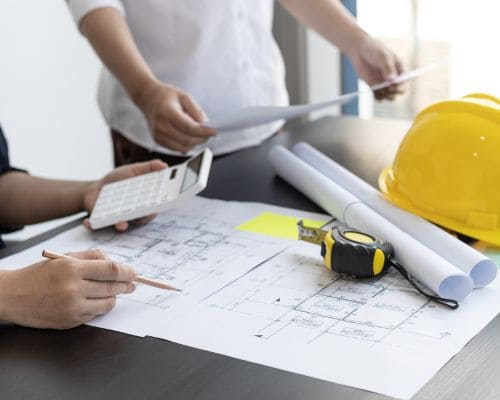
Commercial premises design focuses on creating spaces that function properly for business use while meeting planning, building regulations, and operational requirements. The main issue is that many commercial projects start with a basic layout that doesn’t reflect how the space will actually be used day-to-day.
A common example is converting an existing building into a retail unit or office. The initial plan may fit desks or displays on paper, but fails to account for access, fire regulations, storage, or customer flow. These problems surface during approval stages or once the business begins operating.
At ARH Architectural Design, commercial projects are approached with practical use in mind from the outset. Layouts are developed to support how staff and customers move through the space, how services are installed, and how compliance requirements are met. With over 25 years of experience across planning, technical design, and coordination with consultants, the work reflects how commercial spaces are assessed and used in practice. The result is a design that supports both approval and day-to-day operation without constant adjustment.
ARH Architectural Design
When Do You Need Commercial Premises Services?
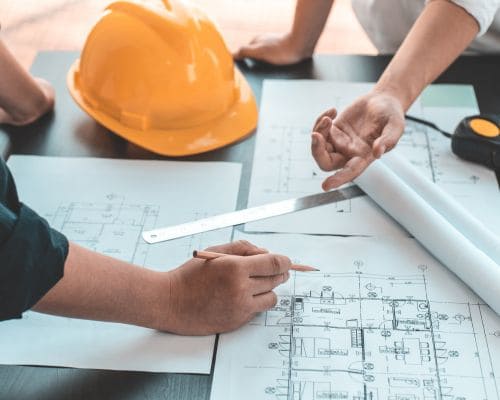
Commercial projects often begin with a change—new business use, expansion, or repurposing an existing building. The difficulty arises when the space is adapted without fully understanding planning requirements or operational constraints.
A typical situation involves leasing or purchasing a unit with the intention of fitting it out quickly. Once work begins, issues appear: fire escape routes don’t comply, access requirements are overlooked, or the layout restricts how the business can operate efficiently.
Another scenario is submitting a planning application for change of use without addressing key concerns such as parking, noise, or impact on surrounding properties. This leads to delays or refusal. Costs increase when these problems are discovered during construction or after opening, requiring alterations that disrupt operations. These are common signs that proper commercial design input is needed:
Layout restricts staff movement or customer circulation within space
Fire exits or access routes fail to meet compliance standards
Planning application delayed due to missing operational details
Services like ventilation or drainage not aligned with intended use
ARH Architectural Design
What Happens During Commercial Premises Services & What To Expect?
The process starts with a detailed review of the building and the intended use. This includes assessing access, structure, services, and any planning constraints that affect how the space can be developed. Initial layout designs are then prepared based on how the business operates. This covers movement through the space, placement of key functions, and how customers or staff interact with the environment. Practical considerations such as storage, servicing, and compliance are built into the design early.
Once a layout is agreed, drawings are prepared for planning where required, including change of use or external alterations. These are supported with the information needed to address common planning concerns. Following approval, technical drawings are developed to define construction details. This includes fire safety measures, accessibility compliance, and coordination with mechanical and electrical systems. Builders and contractors work from a clear, consistent set of information.
During construction, the project progresses with fewer interruptions. Layouts translate directly into the built space, services are installed in the correct locations, and compliance requirements are met without repeated adjustments. The completed space functions as intended from the first day of use, supporting staff, customers, and operational needs without ongoing modification. Each stage is defined with clear, practical detail, so the project moves forward with confidence and control.
TESTIMONIALS
What Our Commercial Premises Customers Say About Us
The Process
3 Step Process For Your Commercial Premises Needs

Initial Consultation
Begin by completing our enquiry form to outline your project. During the initial consultation, we focus on Commercial Premises, assessing feasibility, planning constraints and practical considerations before advising on next steps.

Design & Planning
We develop your concept design and prepare drawings for planning and building regulations approval, with particular attention to Commercial Premises. We coordinate with local authorities and consultants to ensure a clear, compliant submission.

Technical Delivery
Once approved, we produce detailed technical drawings and coordinate with our structural engineer partners and contractors to ensure your project progresses efficiently from paper to construction.
Request A Commercial Premises Consultation
BOOK A CONSULTATION

206 Liverpool Rd, Whitchurch SY13 1UT
BUSINESS
SERVICES
SERVICE AREAS
OPERATING HOURS
Sun: Closed
Mon: 9:00am - 5:00pm
Tue: 9:00am - 5:00pm
Wed: 9:00am - 5:00pm
Thu: 9:00am - 5:00pm
Fri: 9:00am - 4:00pm
Sat: Closed